
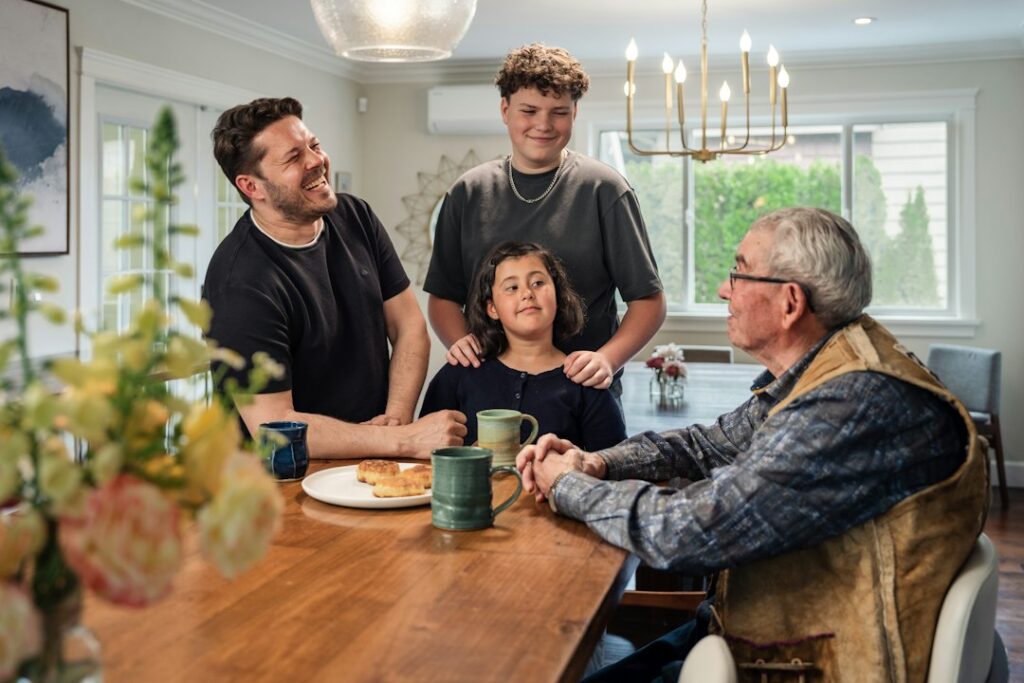
Choosing the right level of care begins with a clear look at what a person can do safely, what support is needed each day, and how likely those needs are to change. The goal is not to select the highest level available, but to find a setting that supports independence while providing dependable help with health, personal care, and safety.
What does “level of care” mean?
A level of care describes the amount and type of assistance a person needs with daily activities, health conditions, mobility, cognition, and supervision. It can refer to support provided at home, in a personal care home, in an assisted living residence, or in a skilled nursing setting.
Care needs are usually considered across several areas:
- Bathing, dressing, grooming, and toileting
- Walking, transferring, and using stairs
- Eating, drinking, and meal preparation
- Medication reminders or medication administration
- Memory, judgment, and decision-making
- Managing appointments, transportation, and finances
- Behavior, anxiety, wandering, or nighttime confusion
- Chronic medical conditions and recovery after illness
A person may be independent in several areas but still need help in one or two activities. For example, someone may prepare simple meals and manage conversations but need assistance with bathing, medication, and getting up safely at night.
Is independent living still safe?
Independent living may remain appropriate when a person can manage essential tasks with limited support and has a reliable plan for emergencies. The question is not whether the home looks orderly during a short visit. It is whether daily life remains safe over time.
Warning signs that additional support may be needed include:
- Falls, near-falls, or difficulty rising from a chair
- Missed medications or repeated prescription errors
- Spoiled food, skipped meals, or noticeable weight loss
- Unpaid bills, scams, or difficulty managing money
- Leaving the stove on or forgetting to lock doors
- Trouble getting to medical appointments
- Increasing isolation or reluctance to leave the house
- Problems managing snow, ice, heat, or other seasonal hazards
In Lansdale, PA, winter conditions can make outdoor mobility and transportation more difficult, especially for someone who already has balance problems or uses a walker. A home that feels manageable in mild weather may become much less practical during icy conditions, power interruptions, or periods of heavy snow.
When is personal care or assisted living appropriate?
Personal care and assisted living are generally intended for adults who need help or supervision with daily activities but do not require the continuous medical care provided by a nursing facility.
Personal care homes may provide assistance with bathing, dressing, meals, mobility, toileting, housekeeping, laundry, and medications. Assisted living residences can offer similar services while supporting a greater degree of independence and, in some situations, more complex care needs through supplemental health services.
The distinction is not based only on age or diagnosis. Two people with the same medical condition may need different settings because their mobility, memory, judgment, caregiver support, and ability to respond to emergencies differ.
A useful question is: Can the person live safely with routine assistance and supervision, or is ongoing skilled nursing care required?
If nursing care, rehabilitation, wound care, complex medical monitoring, or extensive physical assistance becomes central to daily life, a nursing facility or another higher-care setting may be more appropriate.
How should a family assess care needs?
Start with a typical week rather than a single good or bad day. Write down what happens from morning through bedtime, including tasks that require prompting, supervision, hands-on help, or complete assistance.
Track:
- What the person does independently
- What requires reminders
- What requires physical help
- What tasks are unsafe without another person present
- How often help is needed
- Whether needs are different during the day and at night
It is also useful to review recent changes. A sudden decline after an infection, hospitalization, medication change, or fall may not represent a permanent level of need. Confusion, weakness, or loss of appetite can sometimes signal a medical problem that should be evaluated promptly.
A formal assessment may examine physical function, cognitive ability, medical conditions, behavior, nutrition, continence, and the safety of the current living environment. The assessment should be updated when there is a significant change in health or function.
What care differences should be compared?
Care levels are not standardized in exactly the same way across every residence. One setting may include several daily services in its base rate, while another may charge separately for each task.
Ask for specific answers to questions such as:
- How is help with bathing, dressing, and toileting scheduled?
- Is assistance available overnight?
- Who administers medications, and what training is required?
- How are falls, missed meals, and changes in behavior handled?
- Can staff assist with transfers from bed to chair?
- What happens if the person needs more help later?
- Are outside nurses, therapists, or hospice providers allowed?
- Is memory support available for residents who develop dementia?
- Under what circumstances would a move to another setting be required?

A written service plan should explain the resident’s needs, the services to be provided, and who will provide them. Families should read the plan carefully and ask how often it is reviewed.
How can families compare residences fairly?
Visit more than once, including at different times of day. A quiet afternoon visit may not show how the setting operates during breakfast, medication distribution, evening care, or overnight hours.
During visits, observe whether:
- Residents appear clean, comfortable, and appropriately dressed
- Staff respond promptly when residents request help
- Conversations are respectful and unhurried
- Hallways, bathrooms, and common areas are easy to navigate
- Lighting is adequate, especially near stairs and entrances
- Emergency exits and evacuation procedures are clearly addressed
- Meals appear suitable for residents’ dietary needs
- Activities match different mobility and cognitive abilities
Ask to review the license, resident agreement, fee schedule, rules, complaint process, and policies for changing care needs. Pennsylvania personal care homes and assisted living residences are licensed and inspected by the Department of Human Services, but licensing alone does not determine whether a particular setting fits an individual’s needs.
How should cost factor into the decision?
Compare the full monthly cost, not just the advertised room rate. Additional charges may apply for medication management, bathing, incontinence care, transportation, escort services, special diets, laundry, or increased supervision.
Also consider expenses that may continue after a move, such as medical equipment, prescriptions, private companions, therapy, personal spending, and transportation for family visits. Ask how fees change if care needs increase and whether the agreement explains those changes clearly.
Financial planning should account for the possibility that care needs will grow. A setting that is affordable at the beginning may become difficult to maintain if several services are added later.
What is the best final decision-making test?
The right level of care should answer three questions:
1. Is the person safe today?
2. Can the setting meet current physical, cognitive, and medical needs?
3. Is there a realistic plan if those needs increase?
The best choice may be remaining at home with dependable support, moving to personal care or assisted living, or choosing a skilled nursing setting. The decision should reflect actual abilities, not pressure to preserve independence at any cost or fear of accepting help.
A careful assessment, clear service plan, realistic financial review, and repeated visits can help families choose support that protects safety while preserving as much dignity, choice, and daily independence as possible.
