
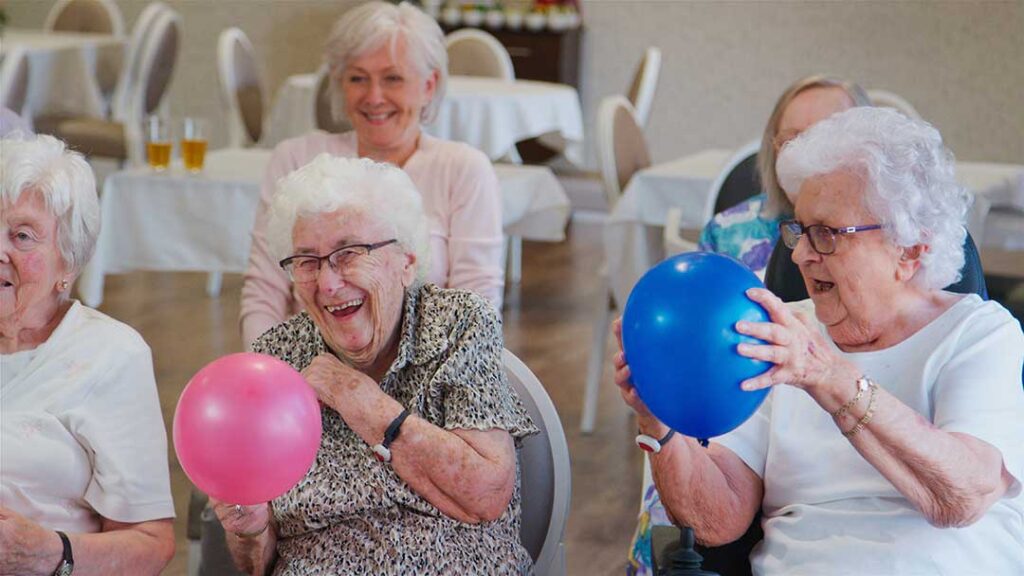
Intergenerational activities bring older adults together with children, teenagers, and younger adults for shared experiences. In assisted living, these interactions can support emotional well-being, mental stimulation, physical activity, and a stronger sense of connection to the surrounding community.
The activities do not need to be elaborate. Reading together, discussing family traditions, working on a craft, playing a familiar game, or sharing music can create meaningful contact across age groups. The most effective programs are planned around residents’ abilities, interests, comfort levels, and personal histories.
Why are intergenerational activities valuable in assisted living?
Intergenerational activities can reduce social isolation and give residents regular opportunities to contribute. They also help younger participants develop comfort and respect around older adults.
Assisted living residents may have fewer daily opportunities to interact with children or teenagers after retirement, relocation, the loss of a spouse, or changes in family routines. A planned visit or recurring activity can add variety to the week and create something to anticipate.
These interactions may help residents:
- Feel remembered and included
- Share knowledge, stories, and practical skills
- Maintain conversation and social confidence
- Experience laughter, affection, and companionship
- Participate in purposeful roles rather than only receiving care
Younger visitors may benefit as well. They can learn that older adults have varied personalities, interests, careers, cultural backgrounds, and abilities. This can replace assumptions about aging with a more realistic understanding of individual life experiences.
How can these activities support emotional well-being?
Regular contact with younger people can provide comfort, enjoyment, and a sense of belonging. A resident who feels useful or listened to may experience greater confidence and motivation to participate in other activities.
Intergenerational visits can be especially meaningful during seasonal periods when family schedules are busy or travel is difficult. In Lansdale, winter weather and shorter daylight hours may make indoor community programs particularly practical. Activities held in comfortable, well-lit spaces can offer social contact without requiring residents to travel outdoors.
The emotional benefits often come from consistency rather than novelty. A single special event may be enjoyable, but recurring contact allows relationships to develop. A child may remember a resident’s favorite song, while the resident may look forward to hearing about the child’s school project or hobby.
Programs should also respect residents who prefer quieter interaction. Not everyone enjoys a large group, loud activity, or frequent physical contact. A short conversation, letter exchange, or small art project may be more comfortable than a crowded gathering.
Can intergenerational programs support memory and mental stimulation?
Yes. Conversation and shared activities can encourage residents to recall information, make choices, follow steps, and express opinions. These are forms of engagement, although they should not be presented as a cure or treatment for dementia or other medical conditions.
Useful activities include:
- Looking through old photographs and discussing clothing, transportation, music, or household routines
- Reading short stories, poems, or familiar song lyrics aloud
- Cooking or assembling a simple no-bake recipe with appropriate supervision
- Comparing games played by different generations
- Creating a seasonal decoration or collage
- Recording residents’ stories for a family history project, with permission
- Exploring objects connected to past occupations, hobbies, or local traditions
The activity should focus on participation, not performance. A resident does not need to remember every name or detail correctly to benefit from being involved. Correcting mistakes too often can create embarrassment and discourage future participation.
For residents living with memory loss, activities work best when instructions are simple, materials are familiar, and the pace is unhurried. Younger participants may need guidance to speak clearly, wait patiently, and accept repeated questions.
What types of intergenerational activities work well?
The best activity depends on the residents, visitors, space, staffing, and time available. A successful program is usually simple enough to repeat and flexible enough to accommodate different abilities.
Shared reading and storytelling
Children can read short books, poems, or newspaper features with residents. Older adults may then share memories connected to the subject. A resident who does not want to read aloud can still listen, comment, or choose the next item.
Music and movement
Music from different decades can encourage conversation and participation. Residents and younger visitors might clap, play simple rhythm instruments, request songs, or practice seated movement. Volume should remain comfortable, especially for people with hearing sensitivity.
Arts and crafts
Painting, seasonal decorations, paper crafts, and simple sewing projects allow people to work side by side without requiring constant conversation. Projects should offer large, easy-to-handle materials for residents with limited vision, arthritis, or reduced hand strength.
Games and puzzles
Card games, matching games, word games, and large-piece puzzles can support cooperation. Rules may need to be simplified, and some residents may prefer helping younger participants rather than competing.
Skill sharing
Residents can demonstrate gardening knowledge, handwriting, knitting, household budgeting, military history, professional skills, or traditional recipes. Younger participants can share technology skills, contemporary music, drawing techniques, or school experiences. The exchange should be mutual rather than treating one generation as only the teacher.
How should activities be adapted for residents with different needs?
Intergenerational activities should be designed for varying mobility, hearing, vision, communication, and cognitive abilities. A resident who uses a wheelchair, walker, or oxygen equipment should have enough space to move safely without feeling separated from the group.
Helpful adaptations include:

- Choosing quiet rooms with good lighting
- Using large-print instructions and high-contrast materials
- Seating participants in small groups rather than one large circle
- Providing chairs with arms and stable tables
- Allowing extra time for responses
- Offering seated alternatives to standing activities
- Limiting clutter, cords, and small objects that may create hazards
- Explaining touch and personal boundaries to younger visitors
Participation should always be voluntary. Residents should be able to observe, take a break, or leave without being singled out.
What should families and community groups consider before a visit?
Preparation helps prevent awkward or disappointing encounters. Younger visitors should receive an age-appropriate explanation of assisted living, including the fact that some residents may speak slowly, repeat themselves, use mobility equipment, or communicate in different ways.
Visitors should understand that:
- A resident may not respond immediately
- Some people may not want to be hugged or touched
- Photos and recordings require permission
- Personal questions about illness, age, family loss, or finances are usually inappropriate
- Conversation should not become childish or patronizing
- A resident’s private information should remain private
Staff or program leaders can introduce participants, explain the activity, and watch for signs of fatigue or discomfort. Short visits with clear structure are often more successful than long, unplanned gatherings.
Are there concerns about safety or infection prevention?
Yes. Activities should follow the assisted living community’s current safety procedures, including visitor screening, hand hygiene, illness policies, emergency access, and supervision requirements. Children or adults who are sick should postpone visits, particularly during periods of increased respiratory illness.
Food-based activities require attention to allergies, swallowing difficulties, diabetes-related dietary needs, and food handling. Projects involving sharp tools, hot surfaces, chemicals, or small pieces may require closer supervision or safer substitutions.
Safety does not mean removing all spontaneity. It means matching the activity to the residents’ needs and preparing participants so that everyone can take part comfortably.
How can families encourage meaningful connections?
Families can support intergenerational involvement by sharing information about a resident’s interests, past work, favorite music, preferred conversation topics, and boundaries. A child may connect more easily after learning that a resident enjoys baseball history, mystery stories, birds, painting, or gardening.
Letters, drawings, recorded greetings, and shared photographs can also maintain contact between in-person visits. For residents who tire easily or become overwhelmed in groups, one-to-one or small-group exchanges may be more meaningful than large events.
The central purpose is not entertainment alone. Intergenerational activities give people of different ages a chance to listen, contribute, and recognize one another as individuals. In assisted living, that sense of mutual connection can make daily life more engaging while helping younger participants develop a fuller understanding of aging and community life.
