
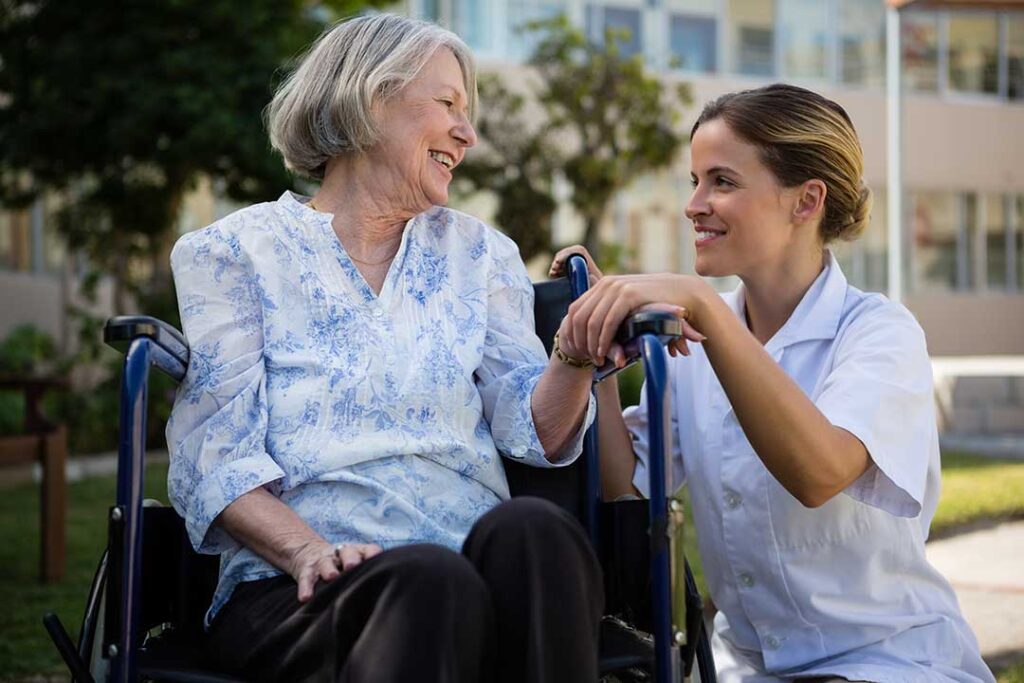
Creative hobbies can give assisted living residents a meaningful way to spend time, express themselves, connect with others, and maintain familiar routines. Activities do not need to be complicated or physically demanding to be rewarding. Painting, music, gardening, writing, crafts, and other hands-on interests can be adapted for different abilities, energy levels, and living spaces.
For residents of Lansdale, PA, seasonal changes, nearby family connections, and the close-knit feel of the community can all shape which hobbies feel comfortable and enjoyable. The most useful activity is usually one that matches a person’s interests rather than one chosen only because it is popular.
What creative hobbies work well for seniors in assisted living?
The most suitable hobbies are safe, adaptable, and easy to begin or pause. Many activities can be completed at a table, in a common room, or outdoors when weather permits.
Options may include:
- Watercolor painting, coloring, or simple sketching
- Knitting, crocheting, quilting, or fabric crafts
- Collage-making with magazines, photographs, and textured paper
- Writing family stories, poetry, letters, or personal reflections
- Singing, playing an instrument, or listening to familiar music
- Container gardening and arranging flowers
- Bird-watching, nature journaling, or seasonal decorating
- Jewelry-making with large, easy-to-handle materials
- Baking or assembling simple no-cook recipes
- Photography using a tablet or an easy-to-operate camera
A hobby does not have to produce a finished item to be worthwhile. The process of choosing colors, remembering a song, handling materials, or talking with another person can be just as valuable as the final result.
How can hobbies support emotional well-being?
Creative activities can provide structure and a sense of purpose. A resident who spends time painting a seasonal scene, writing a family memory, or tending a small plant has an opportunity to focus attention on something personally meaningful.
Hobbies may also help reduce the feeling that each day is unstructured. A regular craft group on a certain afternoon or a short period of music after breakfast can become a familiar part of the week. Predictable routines are especially helpful for residents who feel unsettled by changes in surroundings or schedules.
Creative work can support emotional expression as well. Some people find it easier to communicate through music, color, movement, or writing than through direct conversation. A resident may use a scrapbook to preserve memories, choose songs that reflect a particular mood, or create artwork connected to a meaningful time in life.
The activity should remain voluntary. Encouragement is helpful, but pressure can make a once-enjoyable hobby feel like an obligation.
Which hobbies are easiest for residents with limited mobility?
Many creative interests can be adjusted for people who have arthritis, weakness, tremors, vision changes, or limited ability to stand. The main goal is to reduce strain while preserving choice and participation.
Helpful adaptations may include:
- Using lightweight tools with large, comfortable handles
- Choosing thicker yarn, larger beads, or wider paintbrushes
- Securing paper or fabric with clips so it does not slide
- Providing a slanted writing surface to reduce neck and wrist strain
- Working in short sessions with rest breaks
- Placing supplies within easy reach
- Using bright, high-contrast materials for residents with reduced vision
- Offering seated gardening with raised containers or tabletop plants
A person who cannot complete every step independently can still make meaningful decisions. Selecting colors, sorting materials, directing another person, or adding one portion of a project allows continued involvement.
For residents with significant physical limitations, music, storytelling, guided conversation, and sensory activities may be more comfortable than detailed hand crafts.
Are creative hobbies helpful for residents with memory loss?
Yes, familiar creative activities can be useful for some people living with memory loss, particularly when the activity focuses on enjoyment rather than performance. Long-practiced skills, such as singing an old song, folding fabric, arranging flowers, or kneading dough, may remain accessible even when recent memories are difficult to recall.
Activities should have simple steps and limited choices. Too many materials or complicated instructions can cause frustration. A better approach may be to offer two colors of paper, one small basket of craft supplies, or a familiar song rather than a large selection.
Helpful activities for residents with memory changes include:
- Looking through family photographs and creating a simple collage
- Singing well-known songs
- Sorting buttons, fabric squares, or greeting cards
- Arranging artificial or fresh flowers
- Decorating seasonal cards
- Listening to music while completing a familiar hand activity
- Sharing stories connected to holidays, school days, work, or family traditions
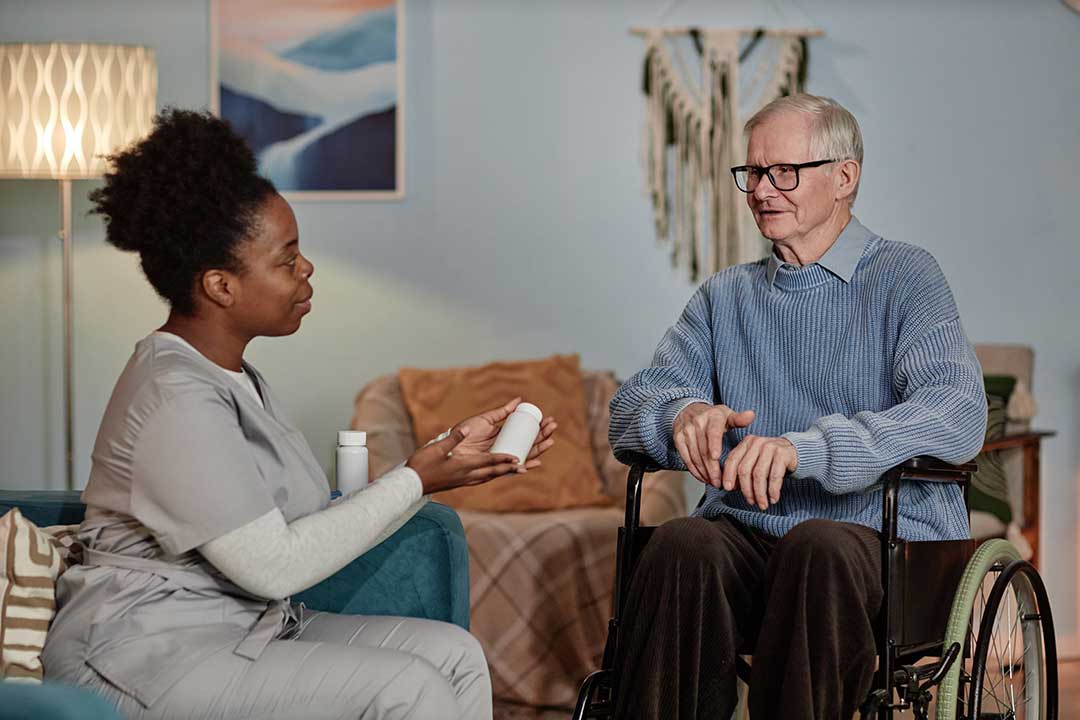
The finished project matters less than the resident’s comfort and sense of involvement. Correcting mistakes or insisting on a specific result may reduce enjoyment.
How can seasonal conditions in Lansdale affect activity choices?
Weather and daylight can influence which hobbies are practical. Winters in the area may bring cold temperatures, reduced daylight, and occasional snow or ice, making indoor activities particularly useful. Tabletop gardening, music, writing, and crafts can provide interest during periods when outdoor movement is limited.
Spring and summer may allow for container gardening, porch activities, nature observation, or flower arranging. Warm weather can also create opportunities for outdoor painting or photography, provided shaded seating, hydration, and protection from direct sun are available.
Autumn offers natural themes for crafts and conversation. Leaves, family traditions, harvest memories, and seasonal decorating can inspire projects without requiring expensive supplies. The safest approach is to adapt activities to current conditions rather than treating outdoor hobbies as an everyday expectation.
How can family members encourage hobbies without taking over?
Family members can support creative interests by learning what the resident enjoyed earlier in life and bringing that information into current activities. A former gardener may appreciate seed catalogs, plant pictures, or a small herb container. Someone who enjoyed sewing may prefer fabric samples, simple stitching, or discussions about past projects.
Useful questions include:
- What activities did the resident enjoy before moving into assisted living?
- Which hobbies felt relaxing rather than competitive?
- Does the resident prefer working alone or with a group?
- Are there familiar songs, colors, recipes, or materials that may spark interest?
- What physical or sensory changes should be considered?
Family participation is often most helpful when it creates conversation rather than directing every action. Sitting together while sorting photographs, listening to music, or decorating cards can make the activity feel personal without turning it into a test.
What should residents consider before starting a new hobby?
Safety and comfort should be checked first. Scissors, small beads, hot liquids, cooking tools, adhesives, and gardening equipment may require supervision or modification depending on a resident’s abilities. Allergies, swallowing risks, skin sensitivity, and medication-related fatigue may also affect activity choices.
Residents should be able to stop when tired or uncomfortable. Short, successful sessions are generally more encouraging than long sessions that cause pain or frustration. Assisted living activity staff or family members can help adjust materials, seating, lighting, and instructions when needed.
The best creative hobby is not necessarily the most elaborate. It is the activity that gives a resident an accessible way to make choices, use familiar skills, enjoy the present moment, and share part of personal identity with others.
